As people age, oral health becomes a significant concern, especially for those around 70 years old. Tooth extraction may become necessary to maintain or improve oral health. A common question is: how many teeth can a 70-year-old have pulled at once, and does full mouth extraction affect life expectancy? This article will explore these questions in-depth, offering valuable insight into the reasons for extractions, the impact on quality of life, and what seniors can expect post-extraction.
Table of contents
How Many Teeth Can a 70-Year-Old Have Pulled at Once?
When it comes to pulling teeth for seniors, especially those aged 70 and older, the number of teeth that can be extracted in a single visit largely depends on their oral and overall health. Generally, 2 to 4 teeth can be extracted at once, although some cases may allow for more depending on the patient’s tolerance and the complexity of the procedure.
Several factors influence how many teeth can be safely pulled at one time:
- Comprehensive Oral Examination: Dentists first perform a thorough examination to assess the health of the teeth and gums. This helps them determine how many teeth can be removed in a single sitting without overwhelming the patient.
- Personalized Treatment Plans: Based on the examination, a customized extraction plan is created. Dentists decide whether to perform multiple extractions in one go or split the process into multiple sessions for the patient’s comfort.
- Overall Health Considerations: Many seniors suffer from chronic conditions such as heart disease, diabetes, or hypertension. These conditions may limit how many teeth can be extracted at once due to potential risks such as infection or bleeding complications.
Thus, for a 70-year-old, dental professionals carefully evaluate individual cases before determining the number of teeth that can be extracted at one time.
When Is Full Mouth Extraction Necessary?
Full mouth extraction is not always required, but there are certain situations where it may be the best course of action for a senior’s oral and overall health. Some of the common scenarios where full mouth extraction becomes necessary include:
- Severe Periodontal Disease: Advanced gum disease can loosen teeth, cause pain, and increase the risk of infection. In extreme cases, removing all teeth may be the only solution to stop the disease from spreading.
- Extensive Tooth Decay: When multiple teeth are severely decayed and cannot be repaired, extracting all of them can save the patient from constant pain and frequent dental procedures.
- Non-Restorable Teeth: Trauma or disease may leave certain teeth beyond repair, making extraction the only option to alleviate discomfort and prevent further health issues.
- Systemic Health Problems: Poor oral health can worsen conditions such as heart disease or diabetes. In such cases, removing all the teeth may reduce the risk of serious health complications.
While full mouth extraction is a significant decision, it can dramatically improve quality of life, especially when other treatments are no longer viable.
Does Full Mouth Extraction Impact Life Expectancy?
One of the most frequently asked questions about full mouth extractions is whether it affects a senior’s lifespan. The answer is complex—full mouth extraction itself doesn’t directly impact life expectancy, but several factors surrounding the procedure can indirectly affect overall health and well-being.
- Nutritional Intake: After full mouth extraction, seniors may struggle to chew properly, which can lead to difficulties in eating nutritious foods. A lack of essential nutrients could impact their overall health. To prevent this, patients should work with their dentist to find solutions, such as dentures or implants, that allow for proper chewing and digestion.
- Mental Health: Losing teeth can affect a senior’s self-esteem, leading to isolation or depression. Social withdrawal can indirectly affect their mental and physical health, making psychological care just as important as physical care after extraction.
- Risk of Infection: Full mouth extraction is a surgical procedure, and like any surgery, it carries risks, such as infection. Proper post-extraction care is essential to avoid complications that could impact overall health.
While these factors may pose challenges, proper dental care, nutrition, and support can help mitigate any potential risks and ensure a healthy, fulfilling life after full mouth extraction.
Should You Opt for Dentures or Dental Implants?
For seniors who have undergone full mouth extraction, the next step is choosing between full dentures or dental implants. Both options come with their pros and cons, and choosing the best one depends on individual needs, budget, and health.
Full Dentures
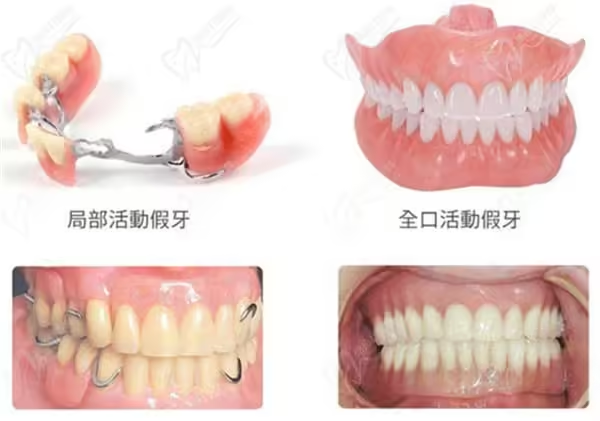
Full dentures are removable appliances that replace missing teeth. They are the more affordable and less invasive option compared to implants.
Advantages of Full Dentures:
- Affordable: Dentures are significantly less expensive than implants, making them a practical choice for seniors on a budget.
- Quick Turnaround: The process of getting dentures is relatively fast, often completed within weeks.
- Non-Invasive: Dentures do not require surgery, making them ideal for those with health conditions that could make implant surgery risky.
Disadvantages of Full Dentures:
- Less Comfortable: Dentures can sometimes be uncomfortable and may slip, making it difficult to chew or speak.
- Adjusting Period: It may take time to adjust to dentures, and seniors might experience discomfort during the initial period.
- Regular Maintenance: Dentures must be replaced or adjusted periodically, which can add to long-term costs.
Dental Implants
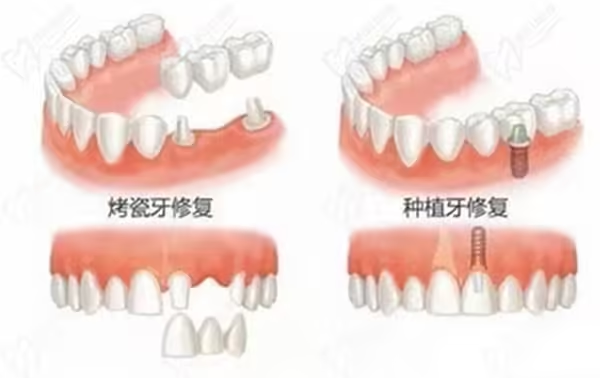
Dental implants involve surgically placing titanium posts into the jawbone, which act as roots for artificial teeth. While more expensive, implants offer greater stability and a more natural feel.
Advantages of Dental Implants:
- Better Functionality: Implants provide a strong foundation, allowing for improved chewing ability and comfort compared to dentures.
- Long-Lasting: With proper care, dental implants can last many years, potentially even a lifetime.
- Preserves Jawbone: Implants stimulate the jawbone, preventing bone loss and helping maintain facial structure.
Disadvantages of Dental Implants:
- Cost: Implants are significantly more expensive than dentures, ranging from several thousand dollars to tens of thousands for a full set.
- Surgical Procedure: The implant process requires surgery, which may not be suitable for seniors with certain health issues.
- Time-Consuming: The implant process can take months, involving several appointments and healing time.
In deciding between dentures and implants, seniors should consult with their dentist and consider factors like overall health, comfort preferences, and budget.
Conclusion
When it comes to tooth extraction for seniors, including full mouth extraction, careful consideration of oral health, overall health, and lifestyle is crucial. For a 70-year-old, how many teeth can be extracted at once depends on several factors, but typically ranges from 2 to 4 teeth per session.
While full mouth extraction may seem like a drastic measure, it doesn’t necessarily impact life expectancy but can influence a senior’s quality of life. Post-extraction care, psychological support, and making informed choices about dentures or implants are essential to maintaining health and happiness.
By understanding the process and making well-informed decisions, seniors and their families can ensure they enjoy better oral health and an improved quality of life.