Class I malocclusion, also known as anterior deep bite, is a common orthodontic issue affecting many people. While the term may sound unfamiliar to some, it’s a condition that occurs frequently in dental clinics. In this article, we’ll explore what Class I malocclusion means, the types of treatment available, and the associated costs. If you’re wondering whether treatment leads to significant changes, the answer is a resounding “Yes!” Read on to learn more.
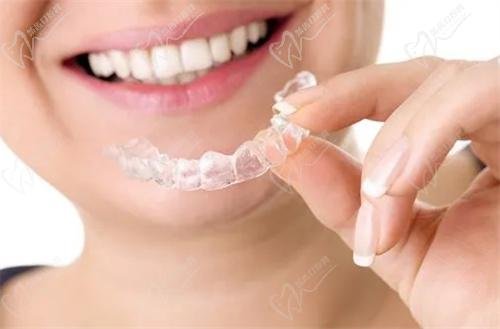
Table of contents
What is Class I Malocclusion?
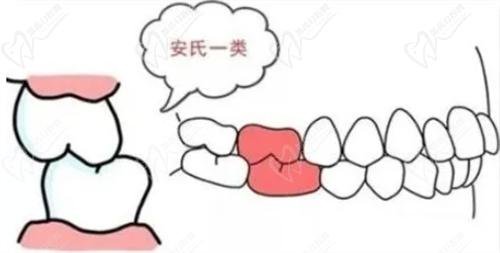
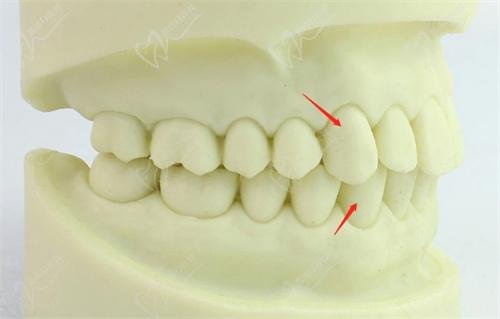
Class I malocclusion occurs when the upper front teeth excessively overlap the lower front teeth, resulting in a deep bite. This condition often presents with a retruded lower jaw and protruding upper jaw. Depending on the severity, Class I malocclusion can be classified into three categories: mild, moderate, and severe. Understanding the severity helps determine the best course of treatment.
Why Should Class I Malocclusion Be Corrected?
Although mild cases may seem asymptomatic, untreated Class I malocclusion can lead to various complications, including:
- Facial Aesthetics Impact: A protruding upper jaw and receding lower jaw can cause facial imbalance.
- Chewing Difficulties: Excessive overlap of the front teeth can interfere with proper chewing and biting.
- Increased Risk of Dental Injuries: Protruding upper front teeth are more susceptible to trauma and chipping.
- Accelerated Tooth Wear: Excessive pressure on the front teeth accelerates enamel wear.
- TMJ Disorders: Misaligned teeth can strain the temporomandibular joint, leading to jaw pain and dysfunction.
For these reasons, early intervention is often recommended to prevent further issues down the road.
Do Orthodontic Treatments for Class I Malocclusion Cause Significant Changes?
Yes, undergoing treatment for Class I malocclusion can significantly improve both your appearance and dental function. Let’s look at a few case examples:
- Case 1: Female, 23 years old, severe Class I malocclusion – After 30 months of treatment, her facial profile became more balanced, and both her upper jaw and lower jaw alignment improved.
- Case 2: Male, 19 years old, moderate Class I malocclusion with deep bite – After wearing braces for 18 months, his bite was corrected, and his teeth were aligned properly.
- Case 3: Female, 27 years old, mild Class I malocclusion – She used invisible aligners for 12 months, resulting in natural-looking teeth alignment and an improved smile.
These examples demonstrate that whether the malocclusion is mild or severe, the outcomes can dramatically enhance both facial harmony and oral functionality.
Treatment Options for Class I Malocclusion
Class I malocclusion can be treated with several orthodontic methods depending on the severity of the condition and the patient’s preferences. Below are some common approaches:
1. Traditional Braces
Traditional braces, often made of metal brackets and wires, are a popular option for correcting various malocclusions. They are effective in shifting teeth into their correct positions, often used for mild to severe cases. Additional tools like archwires or elastics may also be employed to adjust the bite.
- Suitable For: All degrees of malocclusion, from mild to severe.
- Advantages: Highly effective, suitable for complex corrections.
- Drawbacks: Visible, may cause discomfort initially.
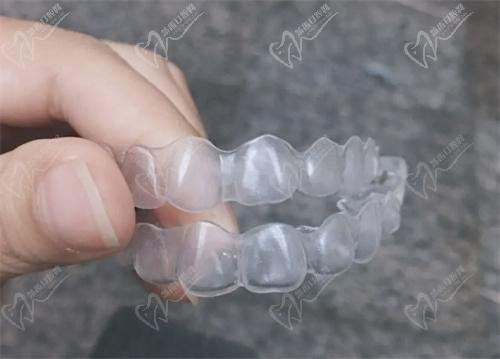
2. Invisible Aligners
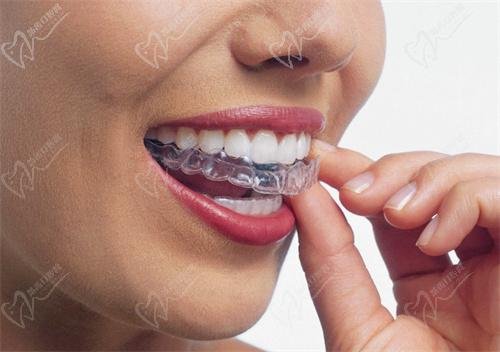
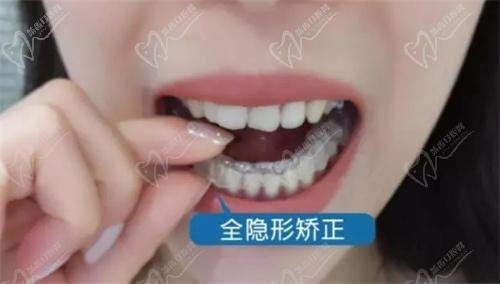
For those seeking a more discreet option, invisible aligners are a series of clear, removable trays that gradually move the teeth. These are popular among adults and teens who want a less noticeable treatment.
- Suitable For: Mild to moderate Class I malocclusion.
- Advantages: Nearly invisible, easy to remove, and maintain oral hygiene.
- Drawbacks: More expensive and less effective for severe cases.
3. Orthognathic Surgery
In cases where the malocclusion is due to skeletal issues rather than dental misalignment, orthognathic surgery may be recommended. This surgical procedure involves repositioning the upper or lower jaw to correct the bite and improve facial balance.
- Suitable For: Severe skeletal malocclusions, especially in adults.
- Advantages: Provides significant long-term results, both functionally and aesthetically.
- Drawbacks: Requires surgery and a longer recovery period.
4. Supplementary Treatments
Some patients may need additional procedures, such as tooth extractions, to make room for teeth movement, or retainers after the treatment to ensure long-lasting results.
- Suitable For: Specific cases requiring extra intervention.
- Advantages: Ensures optimal alignment and maintains treatment results.
- Drawbacks: May increase overall treatment time and cost.
Cost of Class I Malocclusion Treatment
The cost of correcting Class I malocclusion varies based on the treatment method, treatment duration, and geographical location. Here’s an overview of the general costs:
- Traditional Braces: Typically range between $1,500 and $4,000 and may need to be worn for 18 to 30 months.
- Invisible Aligners: These are more expensive, ranging from $3,000 to $6,000, but the treatment time is often shorter, around 9 to 18 months.
- Orthognathic Surgery: As a more invasive and comprehensive treatment, surgery costs can run from $10,000 to $20,000. This includes hospital stays, anesthesia, and post-op care.
- Additional Costs: Procedures like extractions or retainers will add to the overall cost, typically ranging from $500 to $2,000 depending on the complexity.
While the cost may seem steep, the long-term benefits of improved aesthetics, better dental function, and a healthier bite often outweigh the initial financial investment.
Final Thoughts: Should You Correct Class I Malocclusion?
Class I malocclusion, though common, can lead to significant aesthetic and functional problems if left untreated. Orthodontic treatments like braces, invisible aligners, and even surgery can drastically improve your smile and quality of life. The investment in orthodontic treatment, while considerable, offers long-lasting results that enhance both appearance and oral health.
It’s always best to consult with a qualified orthodontist to determine the most suitable treatment option based on your specific needs. Whether you choose traditional braces, aligners, or surgical correction, early intervention can save you from more severe dental issues in the future. Embrace the opportunity to invest in your smile and enjoy a lifetime of confidence and comfort!